



ABOUT US
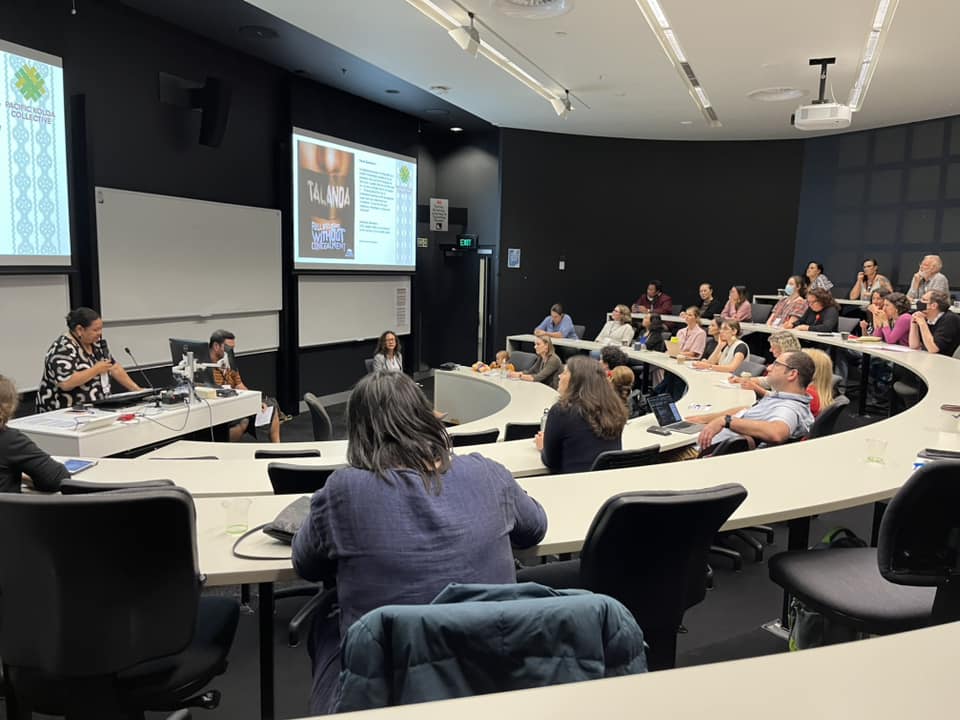
DevNet is the Aotearoa New Zealand International Development Studies Network. For over 30 years we have connected academics, students, development policy-makers and practitioners to facilitate dialogue, debate and knowledge-sharing.
CONFERENCES
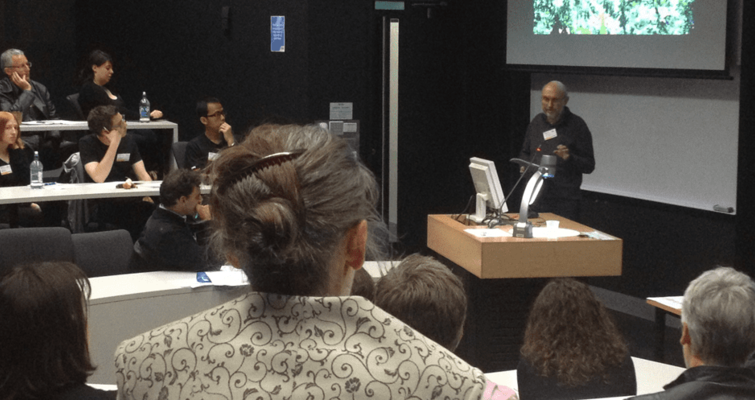
DevNet’s conferences have been held biennially since 1998. Aotearoa New Zealand’s largest, regular conference on international development, provides a great opportunity for people from Aotearoa, the Pacific and others to learn from each other and from international experts. Keynote speakers have…

GRANTS & AWARDS
DevNet provides field research grants to support postgraduate students and researchers based in New Zealand and the Pacific who are studying development issues relevant to New Zealand’s development cooperation and Pacific development.
JOIN THE DEVNET NETWORK
Stay informed about development news, grants, conferences and opportunities in New Zealand.
DevNet News
Follow us on social media for the latest updates

🎉 Only 60 days to go until DevNet 2026 Conference!
The countdown is on! ⏰ We’re looking forward to welcoming you to DevNet 2026.
📅 Early-bird registration closes soon:
7 October at 11:59 pm NZST
Don’t miss the opportunity to secure your early-bird registration!
🏨 Looking for accommodation during the conference?
Check out our accommodation information for discounted codes and booking links available for conference participants: devnet.org.nz/devnet-2026-2/
We can’t wait to welcome you to the conference and share an inspiring and engaging DevNet 2026 with you! 🌏✨

devnet.org.nz
DevNet 2026 – Discount codes and links for participants’ accommodation Participants of DevNet 2026 in Wellington will have access to discounted rates at a variety of hotels and accommodation in th...
Sharing on behalf of ChildFund New Zealand!
ChildFund New Zealand is an international development organisation working with local partners across the Pacific. The organisation has a significant and growing portfolio in Kiribati, spanning climate resilience, water security, humanitarian response, youth development, and community development.
ChildFund New Zealand is currently recruiting for a Programme Manager – Kiribati to join its Auckland-based team.
You can view the position advertisement here: nz.seek.com/job/94784001?ref=cm-ui
Please share this opportunity with your networks, particularly with people who have strong programme management experience and/or experience working in the Pacific or international development and who may be interested in the role.
If you have any questions, please contact ChildFund New Zealand directly.
Ngā mihi nui,
DevNet Team
Programme Manager Job in Auckland CBD, Auckland - SEEK
nz.seek.com
The Programmes Manager will leads CFNZ’s growing Kiribati development and humanitarian portfolio in partnership with ChildFund Kiribati.
We’re pleased to announce that the New Zealand-based Student DevNet 2026 Conference Grants application deadline has been extended to Friday, 25 September (11:59 pm NZST).
The early-bird conference registration deadline has also been extended to Wednesday, 7 October (11:59 pm NZST).
🎓 Apply for a Student Conference Grant
👉 Click here to access the application form: docs.google.com/forms/d/e/1FAIpQLSfLGDFSMKMY-OwsYs32b8ncfpcL1UWMidmRWp3XqfDOkrCU6g/viewform
📅 Register for DevNet 2026
Please click here to register for the conference:
vuw.eventsair.com/devnet/devnet26
Group registrations and Pacific Island Country residents:
If you are registering as a group or are a resident of a Pacific Island Country, please email devnet2026@vuw.ac.nz to receive a specific registration link.
🌏 Find out more
Read detailed information about the conference themes, registration fees, and key dates on the conference webpage:
devnet.org.nz/devnet-2026-conference-2/
Don’t miss these extended deadlines—we look forward to welcoming you to DevNet 2026!
🎓 New Zealand-Based Student DevNet 2026 Conference Grants — Applications Open!
Are you a postgraduate student at a New Zealand tertiary institution with an accepted paper at DevNet 2026? You may be eligible for a Conference Grant to help support your participation in the conference.
A limited number of grants are available, with funding ranging from conference registration to registration plus a contribution towards travel and accommodation, depending on travel requirements and available funding.
Applicants must:
- Be enrolled at a New Zealand tertiary institution; and
Be an author or co-author of an accepted paper at DevNet 2026 and present the paper at the conference.
📅 Application deadline: 11:59 PM, 23 September 2026
👉 Click here to access the application form: docs.google.com/forms/d/e/1FAIpQLSfLGDFSMKMY-OwsYs32b8ncfpcL1UWMidmRWp3XqfDOkrCU6g/viewform?usp=p...
Read more detailed information about the conference themes, registration fees, and key dates on our conference webpage: devnet.org.nz/devnet-2026-conference-2/
📢Registration for DevNet 2026 is now live!
Please click this link vuw.eventsair.com/devnet/devnet26) to register for the conference.
If you are registering as a group, or a resident from a Pacific Island Country, please email devnet2026@vuw.ac.nz to receive a specific registration link.
Early-bird registration closes in early October, so register as soon as possible to join Aotearoa New Zealand’s largest regular conference on international development!
Read more detailed information about the conference themes, registration fees, and key dates on our conference webpage: devnet.org.nz/devnet-2026-conference-2/